- Home
- Sponsors
- Forums
- Members ˅
- Resources ˅
- Files
- FAQ ˅
- Jobs
-
Webinars ˅
- Upcoming Food Safety Fridays
- Recorded Food Safety Fridays
- Upcoming Hot Topics from Sponsors
- Recorded Hot Topics from Sponsors
- Food Safety Live 2013
- Food Safety Live 2014
- Food Safety Live 2015
- Food Safety Live 2016
- Food Safety Live 2017
- Food Safety Live 2018
- Food Safety Live 2019
- Food Safety Live 2020
- Food Safety Live 2021
- Training ˅
- Links
- Store ˅
- More

Featured Content
-
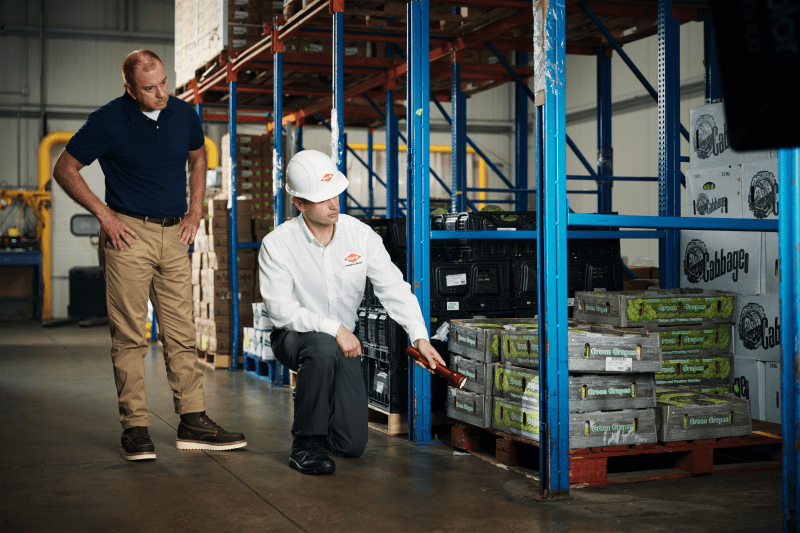
From Detection to Defense: Mastering Rodent Control in Your Facility
As a business owner, you have a multitude of challenges to contend with, but one of the most insidious and damaging threats to your operations might be lurking in the shadows: rodents. These stealthy intruders not onl... -
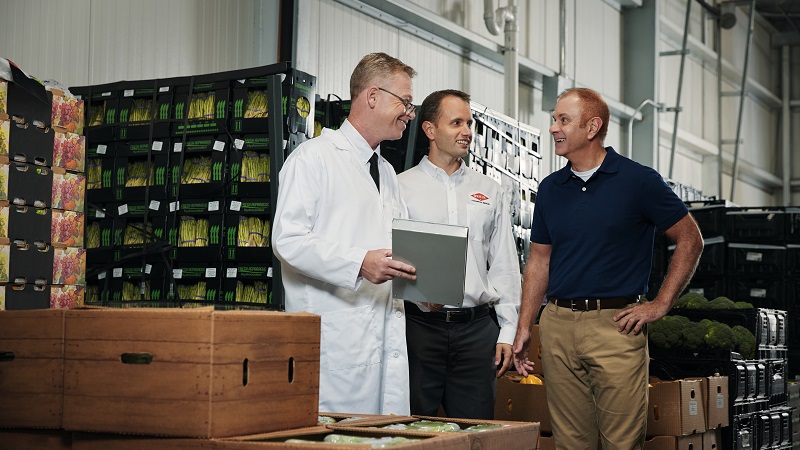
The Key to Audit Preparedness in Your Food-Processing Facility
Although the pest control portion of an audit may account for up to 20 percent of your final score, it’s not worth losing points or failing because of a preventable issue. Pest issues can cause multiple problems for y... -
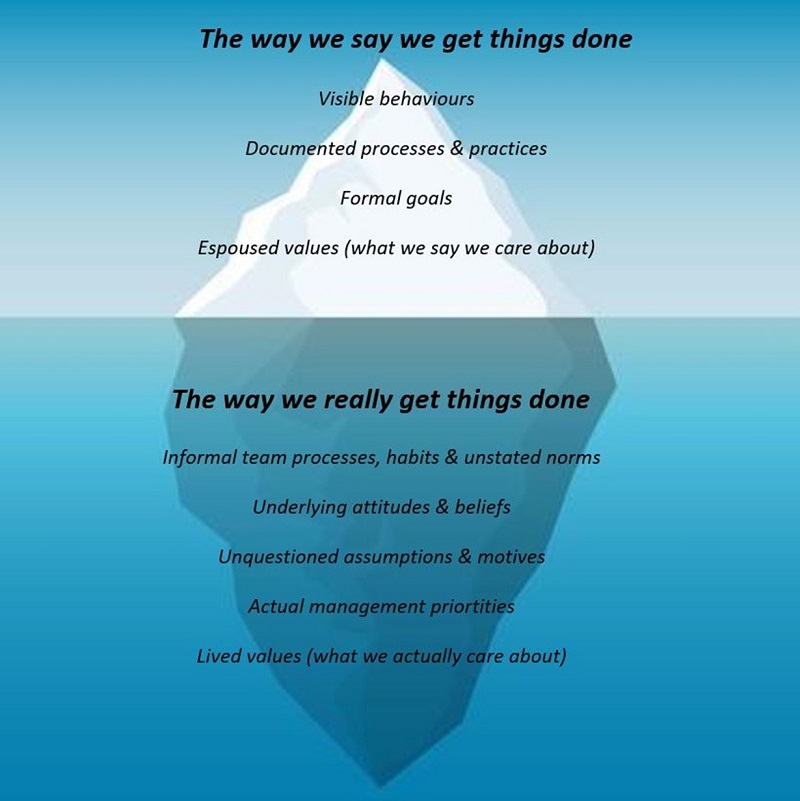
Building A Food Safety Culture
What food safety culture means, why is it important and how to go about creating one in your business. With rising consumer awareness, ever-changing regulatory standards and emerging threats to food supply &... -

Sources of Contamination in Food Grade Compressed Air
By Jenny Palkowitsh | Business Development Director | Trace Analytics, LLC Dynamic, fluid, and critical, compressed air systems can be an overlooked source of contamination in food, beverage, and packaging manufa... -

Uncovering the Strategies to Establish Food Safety Culture in Food Service Facilities
Food safety culture is critical to wellness of food and overall success of a restaurant's food safety control system and given the significance, Codex Alimentarius and HACCP has embraced food safety culture as a point...
-
Aseptic Products Microbiology
35 minutes ago, Replies: 1
Hi everyone I have a doubt concerning the results of Total Plate Count (TPC) and Yeast & Mold (Y&M) in aseptic products. Should they be 0... more -
Food Engineer | Skilled Confectionery Recipe Developer with QA & Regulatory Expertise
Today, 02:39 PM, Replies: 1
Hey there Obaid here, a skilled Food Engineer with a strong background in recipe development, quality assurance, and regulatory compliance. E... more -
How can we make Technical exciting?!
Today, 08:46 AM
I actually think that this is an exciting time to be in Technical (despite some of my doom and gloom posts of late). If we can get the cultur... more -
APC and Coliform Limits on Shoes
Yesterday, 05:15 PM, Replies: 8
Hello all, I have just completed our swab study to validate the effectiveness of our footwear sanitation program, but I cannot find any... more -
Traceability issue with product receiving?
Yesterday, 04:56 PM, Replies: 5
Good morning, Hoping someone can help me. We are a 3PL that receives finished pet food from our customer (a manufacturer.) We store the... more
-
Aseptic Products Microbiology
13 minutes ago
When you say aseptic products, do you mean commercially sterile + aseptically processed? For example, shelf-stable canned food or shelf-stable brot... more -
Neogen Supply
27 minutes ago
We tested swabs one day. Had a high reading on a scale platform. Wiped it down with sanitizer, got a higher reading. Got fresh sa... more -
Where is everyone?
29 minutes ago
Scampi is right - you need to read statistics better. And you need to consider other factors. Like is the birth rate up or down is one of many.... more -
Neogen Supply
42 minutes ago
there are swabs to test e.coli, coliform and acc it takes about 6-8 hours (no need for lab) and then you can release or hold your product based on... more -
Neogen Supply
44 minutes ago
If y'all really going to use these things, I'd consider moving to A3 which detects AMP, ADP and ATP BUT there is strong evidence that these things... more
-
 See Beyond Contaminants with X-Ray Inspection Technology
Taking Place: 17 May 2024 - 03:00 PM - 04:00 PM
Learn the hidden power of x-ray product inspection and its full capabilities! Find out how x-ray inspection... more -
 Compressed Air Monitoring - Common Sources of Contamination
Taking Place: 24 May 2024 - 03:00 PM - 04:00 PM
Erin Zimmerman, the Technical Service Manager at Trace Analytics, will outline the most common sources of c... more -
 Compressed Air Quality Testing - What You Need to Know
Taking Place: 11 October 2024 - 03:00 PM - 04:00 PM
Brett Greenlee, the Key Accounts and Sales Manager at Trace Analytics, will lead a discussion covering all... more -
 Selecting the Right Detector for Your Application
Taking Place: 18 October 2024 - 03:00 PM - 04:00 PM
Ever wonder what the main differentiator is for x-ray detection? It all lies in the detector, but not all d... more -
 The Impact of Climate Change on Food Safety
Taking Place: 25 October 2024 - 03:00 PM - 04:00 PM
This webinar addresses the critical intersection between evolving climate conditions and food safety concer... more
-
 Premium Practical Internal Auditor Training for Food Operations
Taking Place: Today, 02:00 PM - 06:00 PM
This webinar will enable participants to develop practical knowledge of the principles of internal auditing... more -
 Premium Environmental Monitoring Training
Taking Place: 28 May 2024 - 02:00 PM - 06:00 PM
Join our engaging 4-hour IFSQN webinar designed to empower your food safety team with essential skills! Lea... more
Latest Jobs
-
FSQA Auditor (Remote - Part time/ up to $700 per audit day)
Closed | United StatesResponsible for the application of food safety, quality, and regulatory requirements and principles against established standards and pro...
-
Enterprise Business Development Manager
Closed | 6255 Jade Court, Richmond, BC, Canada | CanadaIcicle Technologies Inc. is a software company that is redefining the landscape of food production and food safety. The Enterprise Busine...
Food Safety Fridays - Next Live Webinar
See Beyond Contaminants with X-Ray Inspection Technology Upcoming Webinar
Taking Place: 17 May 2024 - 03:00 PM - 04:00 PM
Learn the hidden power of x-ray product inspection and its full capabilities! Find out how x-ray inspection works, the technology that puts it in motion and the numerous quality control checks it can perform beyond just contaminant detection. Join this live webcast with Ken Falk, our industry expert, as he walks you through t...
more
Upcoming 4-Hour Live Training Webinar
Taking Place: 10 May 2024 - 02:00 PM - 06:00 PM
This webinar will enable participants to develop practical knowledge of the principles of internal auditing enabling them to participate as part of your internal audit team. The webinar provides instruction on how to implement an Internal Audit system and how to prepare, conduct and report on an internal a... more
Food Safety Fridays - Last Live Webinar
03 May 2024 - 04:37 PM | Views: 459
Member Poll
Poll
Customer Product Reviews
-
Featured Implementation Packages
-
Consultants 10 Site License Package
This is a great value package for consultants providing GFSI implementation serv... more
-
FSSC 22000 Food Safety Management System for Food Service - Version 5.1
This is a tailor-made food safety management system implementation package for C... more
Latest Guest Blog
-
How PCQI Training Supports the BRCGS Food Safety Standard in Food Manufacturing
Mar 13 2024 08:11 PM
Through the FDA’s standardized curriculum for PCQI training, the Preventive Controls Qualified Individual becomes knowledgeable and skilled at developing, implementing, and overseeing the food safety plan as required under FSMA’s Preventive Controls for Human Food Rule (PCHF). In this role, the PCQI training supports and complements the BRCGS certificatio... more
Advertisement
Advertisement